



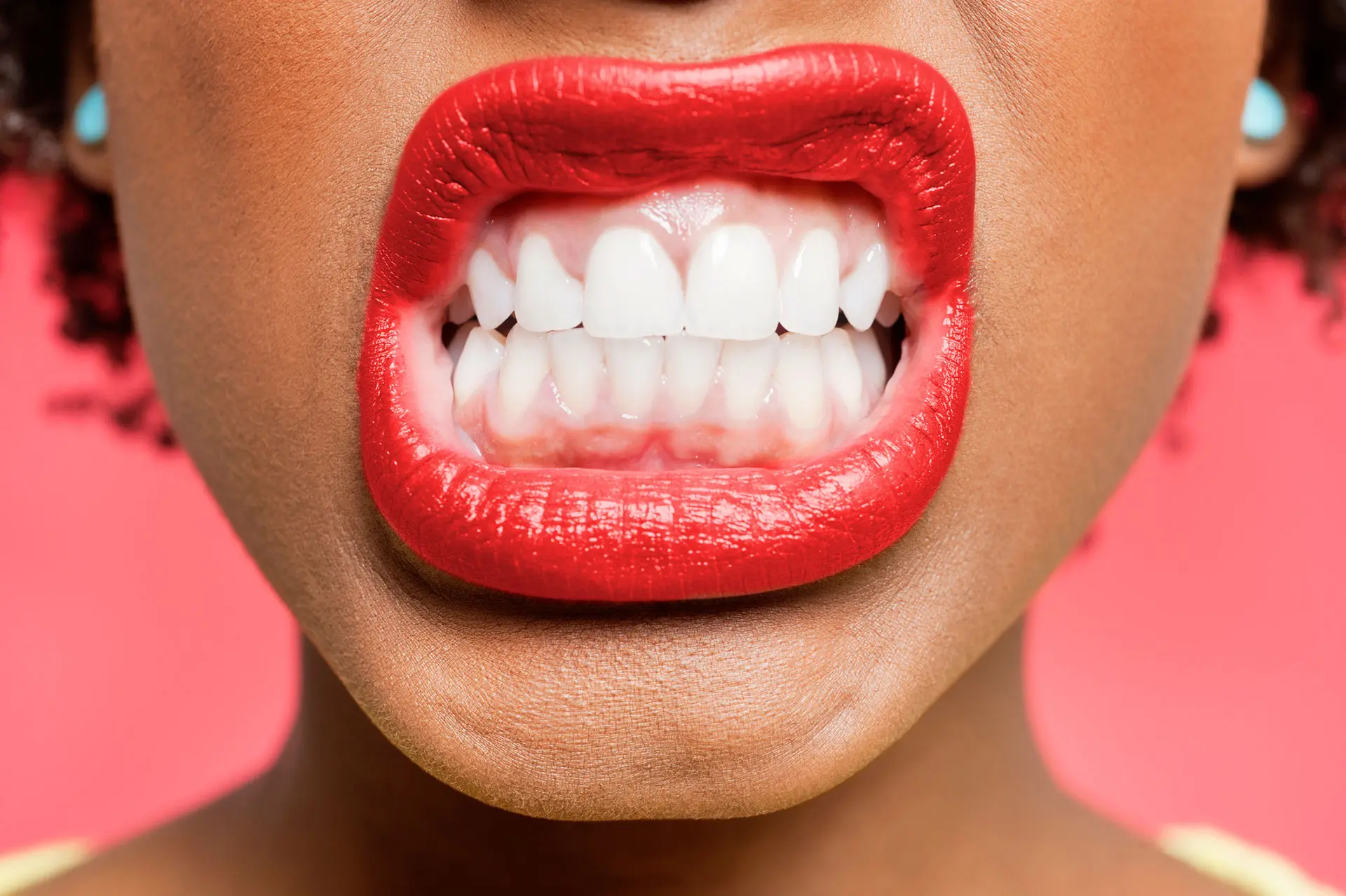
I have had the privilege of working with several clients who have been afflicted by this condition, and their experiences have deeply touched me. Among the cases I have assessed, some have reached such an advanced stage that many of their teeth have been significantly altered in terms of both size and shape, seemingly beyond repair. However, there is indeed a solution. Bruxism, often referred to as teeth grinding or clenching, is a common but often underestimated dental condition that affects many people. In this comprehensive blog post, we’ll delve into what bruxism is, its potential causes, the effects it can have on oral health and overall well-being, and the various treatments available.
What Is Bruxism?
Bruxism is a dental disorder characterized by the involuntary grinding, clenching, or gnashing of teeth, typically during sleep. While occasional teeth grinding may not cause significant harm, chronic bruxism can lead to a range of oral health issues and even impact your quality of life.
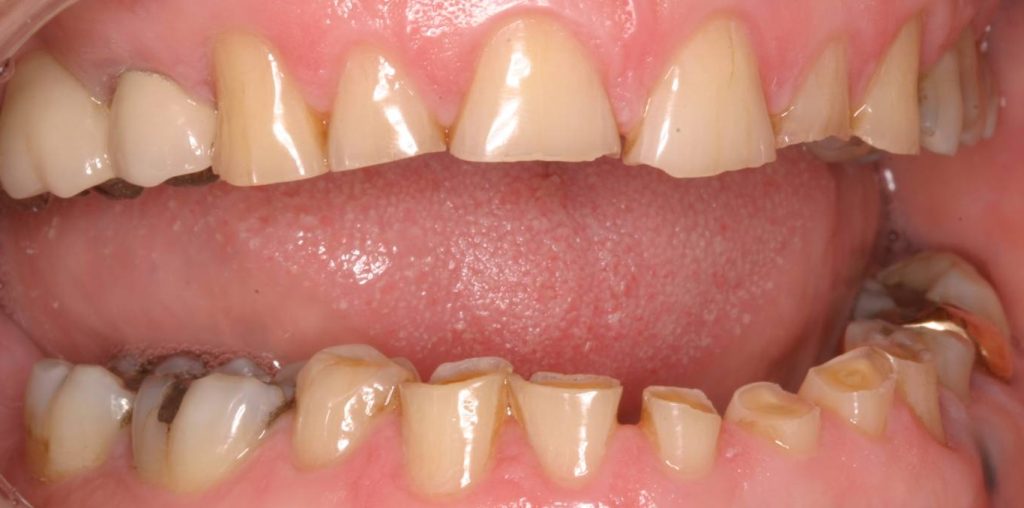
Image credit: Brisban Dentist – Teeth Wear; One of the core effects of Bruxism.
Causes of Bruxism
Understanding the underlying causes of bruxism is crucial for effective treatment. Bruxism can result from a combination of factors, including:
- Stress and Anxiety: High-stress levels, anxiety, or unresolved emotional issues can contribute to bruxism. Grinding one’s teeth may be a subconscious way of coping with stress.
- Malocclusion (Misaligned Teeth): Irregularities in the alignment of the teeth or jaws can cause bruxism as the teeth try to find a more comfortable resting position.
- Sleep Disorders: Bruxism is often associated with sleep disorders such as sleep apnea, where breathing interruptions during sleep can trigger grinding or clenching.
- Lifestyle Factors: Excessive alcohol consumption, caffeine intake, and smoking can exacerbate bruxism.
Effects of Bruxism
Bruxism can have far-reaching consequences for your oral health and overall well-being:
- Tooth Damage: The constant grinding can wear down tooth enamel, leading to tooth sensitivity, chipped or cracked teeth, and an increased risk of cavities.
- Jaw Pain and TMJ Disorders: Bruxism can strain the jaw muscles and temporomandibular joint (TMJ), resulting in jaw pain, headaches, and even TMJ disorders.
- Sleep Disturbances: Bruxism often disrupts sleep, leading to fatigue and reduced quality of life.
- Facial Pain: Facial muscles may become sore, leading to pain around the temples and cheeks.
- Earaches: Bruxism can radiate pain to the ears, mimicking earaches.
Is Bruxism Age-Related?
Bruxism, the act of grinding or clenching one’s teeth, can affect individuals of all ages, from children to the elderly. However, its prevalence and potential causes can vary among different age groups.
- Children: Bruxism is relatively common among children, with estimates suggesting that around 15-40% of children may experience it at some point. In children, bruxism often occurs during sleep and is referred to as “sleep bruxism.” It can be a response to teething, misaligned teeth, or stress. Most children outgrow bruxism without the need for treatment.
- Teenagers: Bruxism can persist into the teenage years, particularly if it started in childhood. Stress related to school, extracurricular activities, and social factors can contribute to bruxism in teenagers.
- Adults: Bruxism is not limited to any specific age group and can affect adults as well. Stress, anxiety, and lifestyle factors may play a significant role in adult bruxism. Additionally, dental issues such as misaligned teeth or an abnormal bite can contribute to bruxism in adults.
- Elderly: Bruxism can continue into older age, and in some cases, it may be exacerbated by factors such as tooth loss or the use of dentures. Medications commonly prescribed to older adults can also contribute to bruxism.
Diagnosis
Your dentist can diagnose bruxism through a dental examination and by discussing your symptoms and medical history. In some cases, a sleep study may be recommended to identify any related sleep disorders.
Treatment Options
Effective management of bruxism is essential to prevent further damage and alleviate symptoms. Here are common treatment approaches:
- Mouthguards or Splints: Custom-fitted dental appliances, such as night guards or splints, can protect teeth from grinding and clenching. These are typically worn during sleep.
- Stress Management: Techniques to reduce stress and anxiety, such as relaxation exercises, meditation, or therapy, can help address the underlying causes of bruxism.
- Orthodontic Treatment: In cases where misaligned teeth contribute to bruxism, orthodontic treatment may be recommended to correct the alignment.
- Medication: Muscle relaxants or anti-anxiety medications prescribed by a healthcare provider may be used for short-term relief in severe cases.
- Lifestyle Adjustments: Reducing caffeine and alcohol intake, quitting smoking, and maintaining a healthy sleep routine can help manage bruxism.
Conclusion
Bruxism is a dental condition that, if left untreated, can lead to significant oral health problems and discomfort. It’s important to be aware of the potential causes and effects of bruxism and seek professional help if you suspect you are grinding or clenching your teeth.
Early diagnosis and appropriate treatment, which may include mouthguards, stress management, or orthodontic intervention, can effectively manage bruxism and improve your oral health and overall well-being. Don’t hesitate to consult with your dentist or healthcare provider if you have concerns about bruxism. Remember, your dental health is an essential part of your overall health, and addressing bruxism can lead to a happier, healthier smile.


0 Comments