



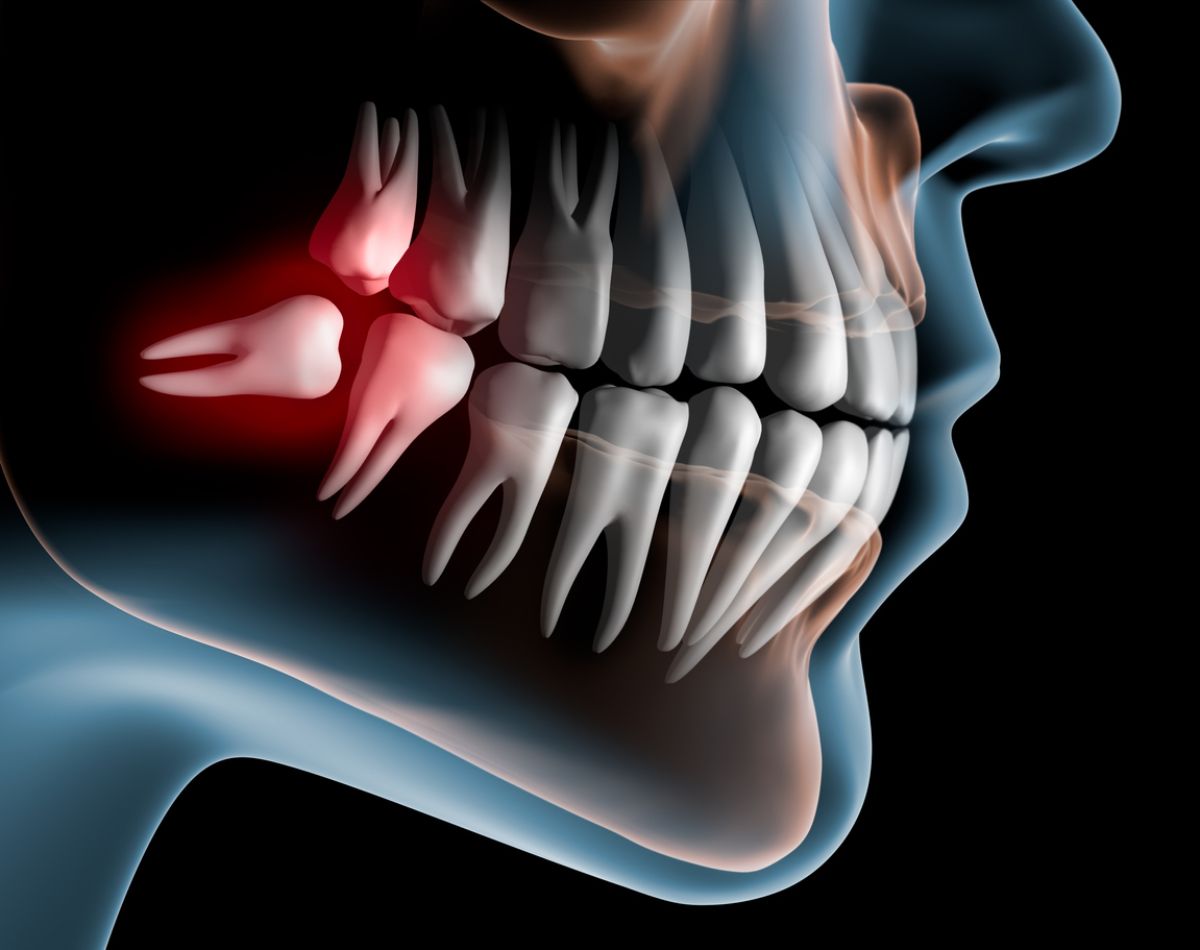
Wisdom teeth, or third molars, are the last set of teeth to emerge in the back of the mouth. While they can be a valuable asset if they grow in properly, wisdom teeth often cause problems that necessitate treatment. In this comprehensive blog post, we will explore the purpose of wisdom teeth, common issues associated with their eruption, and the available treatment options. Understanding the role of wisdom teeth and the potential complications can help you make informed decisions about your oral health.
I. The Purpose of Wisdom Teeth:
Wisdom teeth were essential to our ancestors who had larger jaws and needed these extra molars for chewing tough, coarse foods. However, with changes in diet and jaw size over time, many people’s mouths no longer have enough space to accommodate these third molars properly. As a result, wisdom teeth can become impacted, meaning they are unable to fully erupt or grow in the correct position.
II When do wisdom teeth come in?
Typically begin to erupt between the ages of 17 and 25. However, the exact timing can vary from person to person. Some individuals may experience the emergence of their wisdom teeth earlier or later, while others may not develop them at all.
The eruption of wisdom teeth can be influenced by several factors, including genetics, jaw size, and the availability of space in the mouth. In some cases, wisdom teeth may emerge without any issues and align properly with the existing teeth. However, more commonly, problems arise due to inadequate space in the mouth, leading to impacted or partially erupted wisdom teeth.
It is important to note that not everyone develops wisdom teeth, and some individuals may have fewer than four or none at all. Regular dental check-ups, including dental X-rays, play a crucial role in monitoring the development and positioning of wisdom teeth. This allows dental professionals to detect any potential problems early on and recommend appropriate treatment options, such as extraction, if necessary.
If you are experiencing discomfort or suspect that your wisdom teeth are erupting, it is recommended to consult with a dental professional. They can evaluate your specific situation, conduct an examination, and provide personalized advice and treatment options based on your unique needs.
III. Do you have to remove wisdom teeth?
The removal of wisdom teeth is not always necessary. Whether or not to remove wisdom teeth depends on various factors, including the individual’s oral health, the position and alignment of the teeth, the presence of symptoms or complications, and the recommendations of dental professionals.
Here are some common scenarios where wisdom teeth removal may be advised:
- Impacted Wisdom Teeth: When wisdom teeth do not have enough space to fully erupt or grow in a proper alignment, they can become impacted. Impacted wisdom teeth can lead to various issues, including pain, infections, damage to neighboring teeth, and the development of cysts or tumors. In such cases, extraction is often recommended to prevent further complications.
- Crowding and Misalignment: Wisdom teeth can exert pressure on existing teeth, causing them to shift out of alignment. This can lead to crowding and bite problems. Removing wisdom teeth can help alleviate these issues and preserve the alignment achieved through orthodontic treatments.
- Dental Decay and Gum Disease: Wisdom teeth, especially those that are partially erupted or difficult to clean, can be more prone to tooth decay and gum disease. If recurrent decay or gum problems are observed, extraction may be considered as a preventive measure.
- Recurrent Infections: Wisdom teeth that are partially erupted can create an environment conducive to bacterial growth, leading to recurrent infections and abscesses. If antibiotics or other treatments fail to resolve the infections, extraction may be necessary.
III. Evaluating and Treating Wisdom Teeth:
- Dental Examination: Regular dental check-ups, including dental X-rays, help dentists evaluate the positioning and development of wisdom teeth. Early detection of potential issues allows for proactive treatment.
- Non-surgical Treatment: If wisdom teeth are not causing any problems and are fully erupted with proper positioning, regular monitoring and maintaining good oral hygiene practices may be sufficient. However, close observation is necessary to address any future concerns.
- Surgical Extraction: When wisdom teeth are impacted, causing pain, infections, or potential damage to adjacent teeth, surgical extraction is often recommended. An oral surgeon or dentist with expertise in oral surgery can perform the procedure under local anesthesia or sedation to ensure patient comfort.
- Timing of Extraction: Early removal of impacted wisdom teeth is often preferred, as the procedure becomes more complicated with age. Younger patients tend to have faster healing and fewer associated risks.
- Post-Extraction Care: Following wisdom tooth extraction, proper post-operative care is essential. This may include managing swelling and discomfort, adhering to a soft-food diet, maintaining oral hygiene, and attending follow-up appointments.
Conclusion:
Wisdom teeth, although once crucial for our ancestors, often pose challenges in modern mouths. Understanding the role and potential issues associated with these third molars is crucial for maintaining good oral health. Regular dental check-ups, including dental X-rays, allow dentists to monitor the development of wisdom teeth and recommend appropriate treatment options when necessary. Whether it involves non-surgical management or surgical extraction, addressing wisdom teeth-related concerns can prevent complications, pain, and potential damage to surrounding teeth. Consult with a dental professional, such as an oral surgeon or dentist, to determine the best course of action for your wisdom teeth and ensure the continued health and harmony of your smile.


0 Comments