


Recently, I visited the bank to file a complaint. While waiting in line, a young man approached me and attempted to converse with me. However, due to the unpleasant odor emanating from his mouth, I struggled to maintain the conversation, nodding my head several times while searching for an escape. I found myself in a quandary afterward, debating whether to inform the gentleman that I am a licensed and well-known dentist who can assist him with his halitosis or remain silent and let the matter slide. Despite considering my options, I was unable to muster the courage to approach him.
As a dental professional, I wondered how best to approach an individual with bad breath in a public area. I am confident that there must be a method, and I resolve to face and overcome this challenge in the future without exposing myself or the patient to embarrassment. This occurrence inspired me to write this blog post about halitosis.
What is Halitosis (Bad Breath)?
Halitosis, commonly known as bad breath, is a common condition that affects many people at some point in their lives. It is a condition where a person’s breath has an unpleasant odor that can be embarrassing and can have a negative impact on their social life. It is caused by the presence of bacteria in the mouth, which break down food particles and produce foul-smelling gases. It can be caused by poor oral hygiene, certain foods, dental problems, and other medical conditions.
Causes of Halitosis
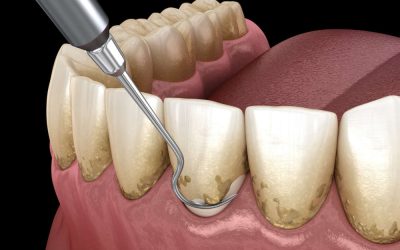
Poor oral hygiene is one of the most common causes of halitosis. When food particles and bacteria are left in the mouth, they can produce a foul smell. In addition, poor oral hygiene can lead to gum disease, which can also cause bad breath. Other dental problems, such as cavities and dry mouth, can also contribute to halitosis.
Certain foods and drinks can also cause bad breath. Foods that are high in protein, such as meat and cheese, can produce a strong odor when broken down by bacteria in the mouth. Garlic and onions are notorious for causing bad breath because they contain sulfur compounds that can be absorbed into the bloodstream and expelled through the lungs. Coffee and alcohol can also cause bad breath because they can dry out the mouth, which can lead to an increase in bacteria.
In addition to poor oral hygiene and dietary factors, halitosis can be a symptom of other medical conditions. Respiratory infections, such as pneumonia and bronchitis, can cause bad breath because they produce mucus that can harbor bacteria. Gastrointestinal problems, such as acid reflux and ulcers, can also contribute to halitosis because they can produce a foul odor in the mouth. Diabetes and liver and kidney problems can also cause bad breath.
Symptoms of Halitosis
The most obvious symptom of halitosis is bad breath. However, because we cannot smell our own breath, it can be difficult to know if we have bad breath. Often, it is friends, family members, or colleagues who will notice and bring it to our attention.
In addition to bad breath, people with halitosis may also experience a dry mouth, a white coating on the tongue, and a bitter or metallic taste in the mouth. These symptoms can be uncomfortable and can contribute to a feeling of self-consciousness.
Treatment Options for Halitosis
The treatment for halitosis will depend on the underlying cause. In cases where poor oral hygiene is the cause, improving oral hygiene habits can often improve bad breath. This includes brushing teeth twice a day, flossing daily, and using mouthwash to kill bacteria.
For people with dental problems, such as cavities or gum disease, treatment by a dentist or dental hygienist may be necessary. In some cases, antibiotics may be prescribed to treat an infection.
If halitosis is caused by dietary factors, avoiding certain foods and drinks may help. Drinking plenty of water can also help to keep the mouth hydrated and wash away food particles and bacteria.
In cases where halitosis is a symptom of another medical condition, treatment of that condition may improve bad breath. For example, treating acid reflux or diabetes may improve bad breath.
In addition to these treatment options, there are also over-the-counter products available that can help to improve bad breath. These include mouthwash, breath mints, and chewing gum. However, it is important to note that these products may only mask the odor temporarily and may not address the underlying cause of halitosis.
Preventing Halitosis
There are several ways to prevent halitosis, including:
- Maintaining Good Oral Hygiene: Regular brushing, flossing, and using mouthwash can help remove bacteria and prevent bad breath.
- Eating a Healthy Diet: Eating a balanced diet that includes fruits and vegetables can help reduce bad breath. Avoiding foods that cause bad breath, such as garlic and onions, can also be helpful.
- Drinking Plenty of Water: Drinking water throughout the day can help keep the mouth hydrated and reduce bad breath.
- Regular Dental Check-Ups: Regular dental check-ups and cleanings can help identify and treat dental problems that can cause bad breath.
Natural Remedies for Halitosis
There are several natural remedies that can help reduce bad breath, including:
- Chewing Parsley: Parsley is a natural breath freshener that can help reduce bad breath.
- Drinking Green Tea: Green tea contains polyphenols that can help kill bacteria and reduce bad breath.
- Oil Pulling: Swishing coconut oil in the mouth for 10-20 minutes can help remove bacteria and reduce bad breath.
Lifestyle Changes to Reduce Halitosis
Here are some lifestyle changes that can help reduce bad breath:
- Quitting Smoking: Quitting smoking can help reduce bad breath and improve overall oral health.
- Reducing Alcohol and Coffee Consumption: Reducing alcohol and coffee consumption can help reduce dry mouth, which can cause bad breath.
- Drinking More Water: Drinking more water can help keep the mouth
Conclusion
Halitosis, or bad breath, is a common condition that can be caused by a variety of factors. Poor oral hygiene, dietary factors, and other medical conditions. So, back to my readers, would you embarrass someone who told you that you have bad breath? Or, how best can someone like me approach you in a public space? Back to my professional colleague, how would you or have you been approaching people with halitosis in the public space?


This is really interesting and thanks for sharing Doc. It blessed my day.